The Visit of the Italian Ambassador to Tanzania to the DREAM Centre in Iringa
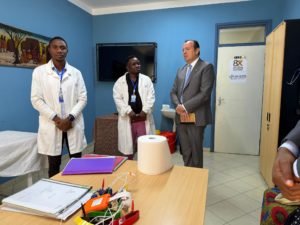
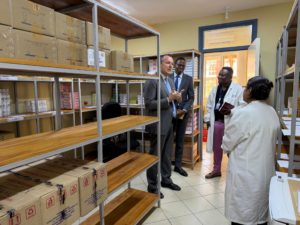
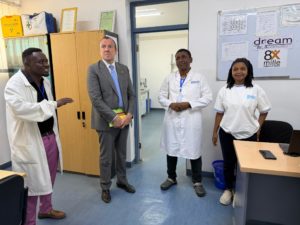
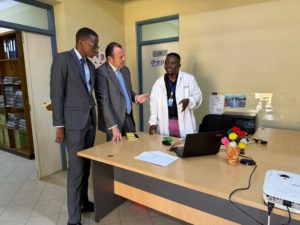
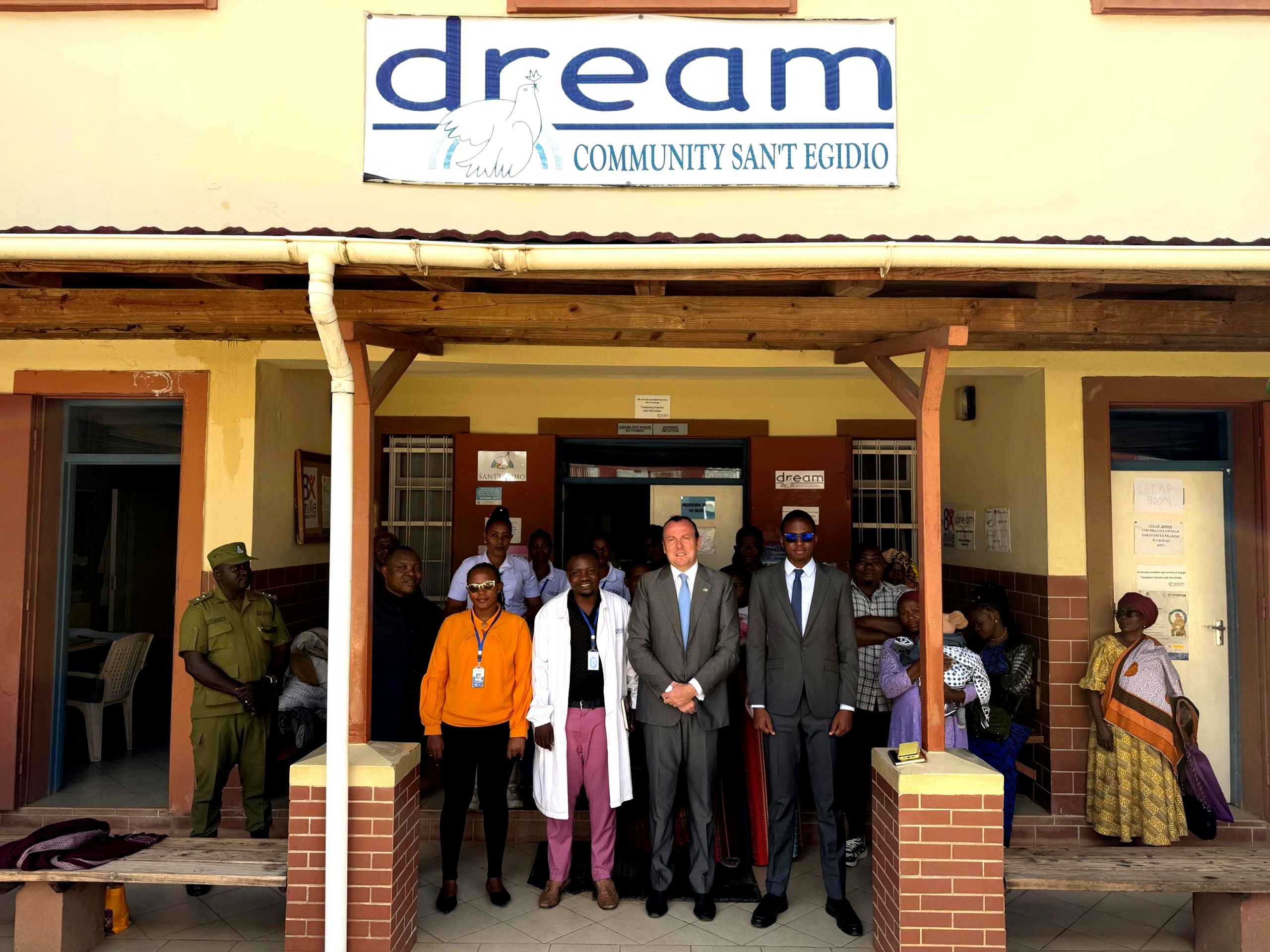
Last Thursday, the Italian Ambassador to Tanzania, Giuseppe Coppola, visited the DREAM Centre in Iringa, meeting with the healthcare staff and the patients supported by the facility. During the morning, he had the opportunity to learn firsthand about the clinical and laboratory activities carried out by the Programme in service of the local community.
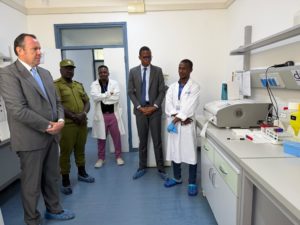
During the visit, the staff presented the Centre’s work and the molecular biology laboratory, which represents the diagnostic heart of the facility. The Ambassador expressed great appreciation for the quality of the services provided and for the organisation of the Centre, highlighting the importance of strengthening cooperation with Tanzanian health institutions and showing strong interest in the challenges the Centre faces every day in responding to the needs of the population.
To fully understand the significance of this visit, it is important to consider the broader national context. Tanzania is a rapidly growing country, yet it continues to face serious challenges in access to healthcare, particularly in rural and remote areas. HIV remains one of the major public health emergencies, disproportionately affecting women and young people, while chronic diseases such as hypertension and diabetes are also on the rise.
Within this context, the DREAM Programme has been operating in Tanzania since 2005 in collaboration with local health authorities. Over the years, the Programme has built a network of centres offering free and comprehensive care, including prevention and testing services, HIV treatment, maternal healthcare to protect children’s health, nutritional support for the most vulnerable populations, and long-term management of associated diseases. This approach is based on continuous patient follow-up, regular monitoring, and holistic attention to overall health.
The DREAM Centre in Iringa, inaugurated in 2009, is one of the Programme’s main reference points in southern Tanzania. Alongside the Centre operates an accredited molecular biology laboratory integrated into the national health system, capable of providing advanced analyses for therapy monitoring and the diagnosis of numerous diseases. The laboratory supports not only DREAM patients but also hospitals and healthcare facilities across wide areas of Tanzania, becoming a vital hub for access to diagnostic services.
A similar role is played by the DREAM Centre in Arusha, in northern Tanzania, which is also equipped with clinical services and a molecular biology laboratory supporting the regional health system. The Arusha Centre provides free care, advanced diagnostics, and training activities for local healthcare staff, contributing to the overall strengthening of health services in the area.
DREAM is also present in particularly remote regions, where access to healthcare is a daily challenge. In Uwemba, on the southern highlands of Tanzania, the Centre operates within a historic hospital serving the most vulnerable populations in one of the regions most affected by HIV. In Masanga, in northern Tanzania, the DREAM Centre works alongside the only hospital in the area, ensuring essential health services in a context of strong geographical isolation. In both cases, the main centres provide clinical and training support to local staff.