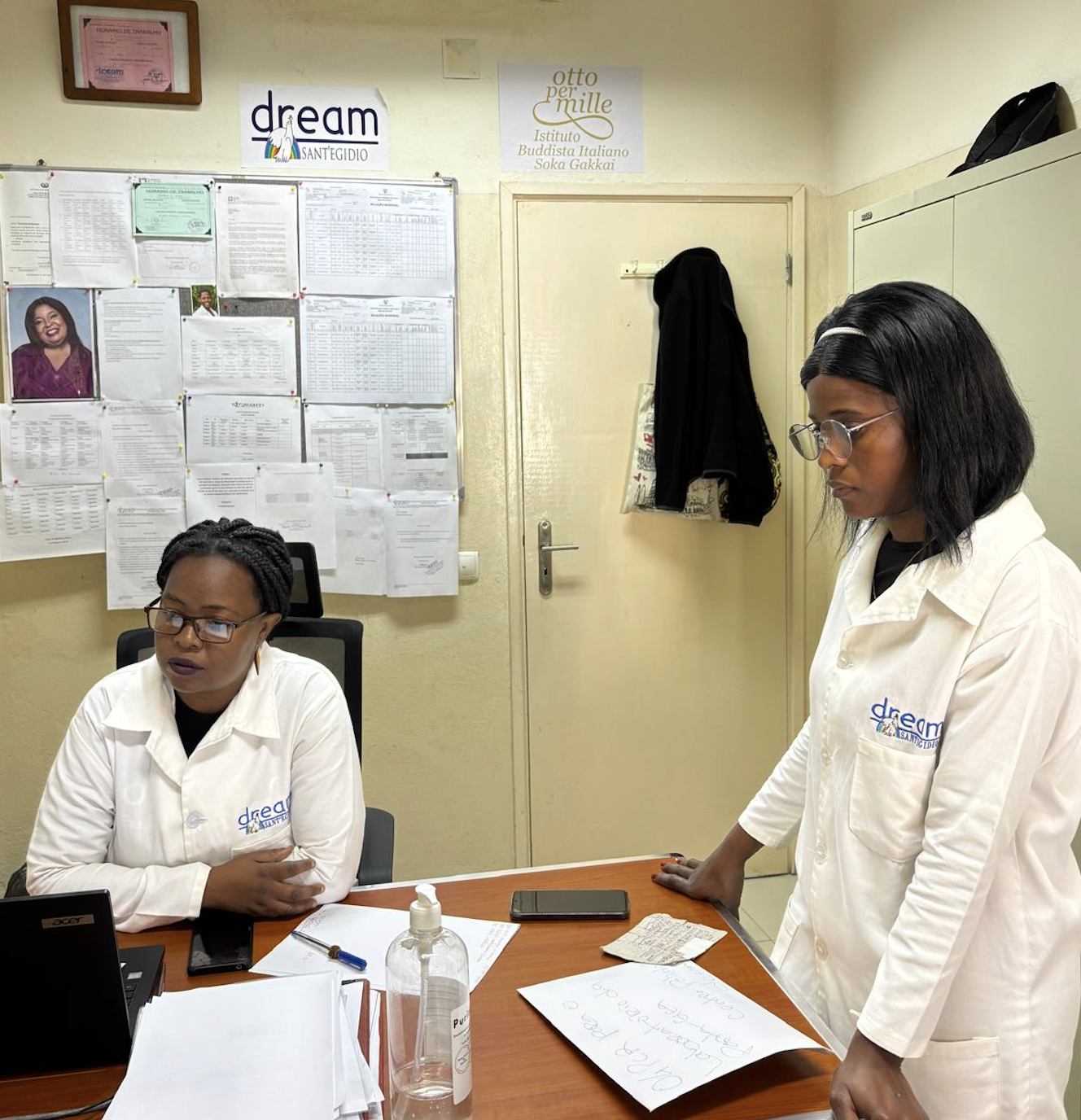
In Beira, a project strengthening the health of the most vulnerable communities
In Beira, in the province of Sofala, the DREAM program of the Community of Sant’Egidio continues to be a lifeline for thousands of vulnerable people.
In a country where poverty, malnutrition, and the spread of HIV remain daily challenges, DREAM centers are much more than healthcare facilities: they are places of hope, dignity, and rebirth.
Thanks to the support of the 8×1000 from the Italian Buddhist Institute Soka Gakkai, the project “Protection for the vulnerable population of Beira” is enhancing the health, diagnostic, and nutritional services of the Beira Multipurpose Center and the Manga Chingussura Center. Every day, thousands of people receive free, high-quality care: among them more than 11,000 patients living with HIV, pregnant women, children, and adolescents.
The project helps ensure continuity of care and prevents mother-to-child transmission of the virus, saving the lives of many women and their babies.
In the video interview recorded at the DREAM center in Beira, Costeja Filipe Domingos, a nurse with the program, speaks with simplicity and passion about her daily work alongside the most vulnerable patients: “Here we don’t just provide medicines, but also listening and support. Adolescents often come in confused or angry, but they soon realize they’re not alone, that with therapy they can live well and stay healthy.”
Through her words, the human face of the project emerges: that of healthcare workers who every day, with professionalism and dedication, build trust and hope within the community.
The project supported with the 8×1000 funds from Soka Gakkai contributes to ensuring health and well-being for all and for all ages. In Beira, this commitment takes shape in free medical visits, HIV and cervical cancer screening, nutritional support for the most vulnerable families, and educational activities for children and their mothers.
In the video filmed in Beira, Costeja Filipe Domingos, a DREAM nurse, explains how the project has transformed the lives of many adolescents. “The meetings we organize,” she says, “help young people feel part of a community, not to feel ashamed, and to believe that they can live well, in good health, and with hope.”