An HPV Campaign for Women in Malawi’s Villages of Blantyre
For several days, a van equipped with loudspeakers drove along the dirt roads of villages in Malawi’s Blantyre District, inviting women to take part in a cervical cancer prevention campaign.
The initiative was one of the activities carried out under the Women Care project, implemented by the DREAM Program with the support of Fondation Assistance Internationale (FAI). The project aims to strengthen HPV and HIV prevention and screening services in some of the country’s most vulnerable communities.
DREAM staff reached the communities of Kapeni, Namikoko, and Makata, three areas where screening services remain limited and where many women still lack access to regular check-ups and early diagnosis.
Malawi has the highest cervical cancer mortality rate in the world, with 51.5 deaths per 100,000 women each year—seven times higher than the global average. Every year, more than 2,300 Malawian women die from a disease that, in most cases, could be prevented or successfully treated if detected early.
The main cause is infection with HPV (Human Papillomavirus), which is highly prevalent among women of reproductive age in the country. The situation is further complicated by the high prevalence of HIV: women living with HIV are significantly more vulnerable to developing invasive cervical cancer.
Each day of the campaign followed a similar pattern. Before the arrival of the health teams, letters and announcements had been distributed to community leaders to inform villages and encourage women to participate.
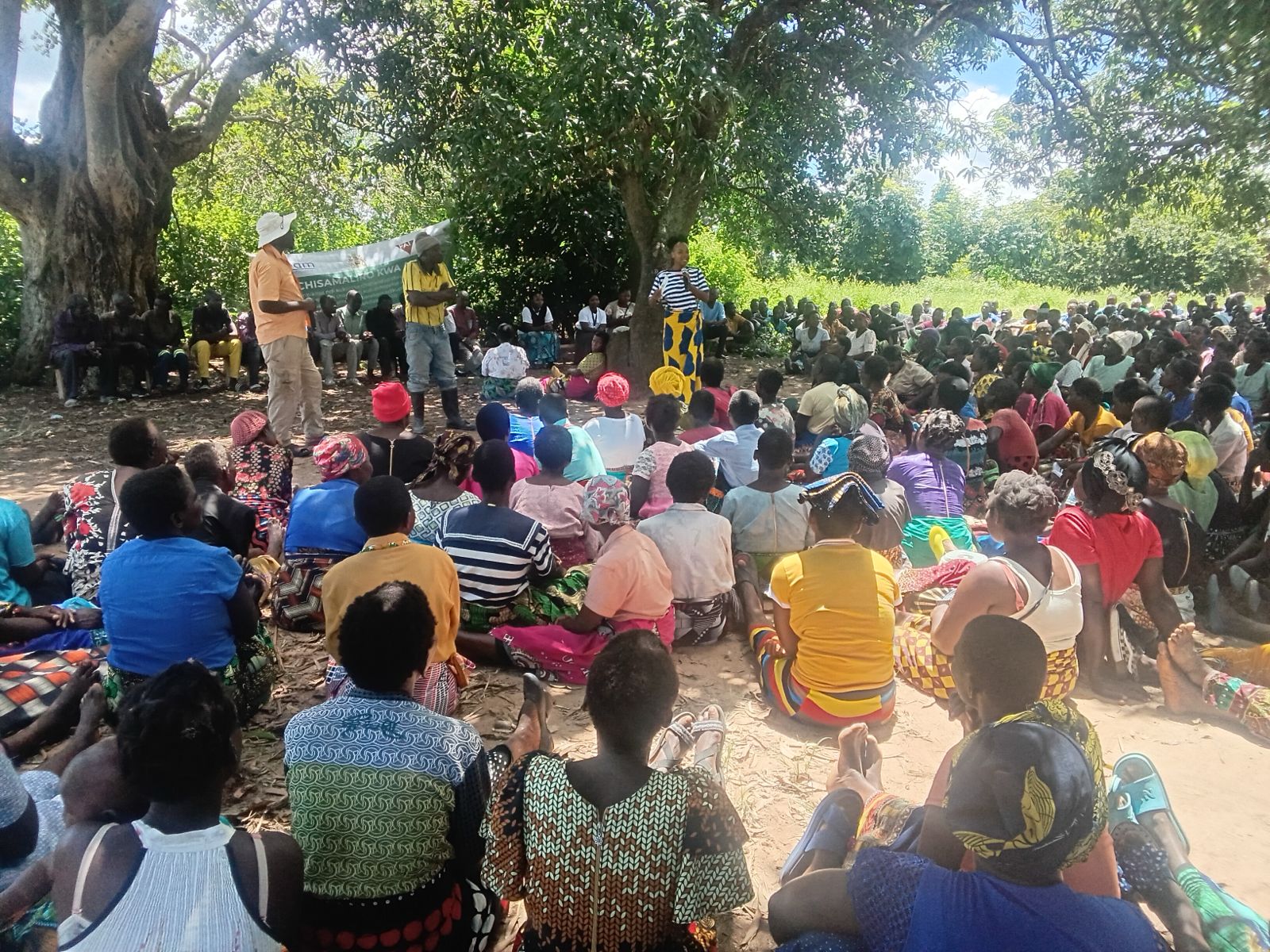
The mornings were dedicated to health education sessions. Sitting together in circles, women listened to explanations about HPV, how it is transmitted, and why early screening can save lives. Discussions also covered HIV, prevention strategies, and access to healthcare services. These sessions created a space for open dialogue, where women could voice concerns, ask questions, and address fears that had often remained unanswered for years.
Many participants had never heard about the link between HPV infection and cervical cancer. For many of them, it was the first opportunity to speak directly with trained healthcare professionals and to access free screening services.
In the afternoons, screening activities began. Nurses collected samples directly within the communities, sparing women the need to travel long distances to health facilities. To reach even the most remote villages, the team also conducted a mobile awareness campaign: a van travelled through the communities broadcasting prevention messages through loudspeakers and inviting women to attend the activities.
Overall, the campaign reached more than 2,000 people. Hundreds of women underwent HPV testing using an innovative molecular method that provides more accurate and less invasive diagnoses than traditional screening approaches.
Alongside screening, the campaign also promoted HPV vaccination for younger girls. At Chisenjere Primary School, 50 girls received their first dose of the HPV vaccine, while teachers and families took part in awareness sessions on the importance of prevention.
Women Care is a four-year project active in the districts of Blantyre, Balaka, and Dowa. Its goal is to develop a model for prevention and early diagnosis that can be replicated in other areas of Malawi, strengthening local health services and making innovative diagnostic tools accessible even in the most remote communities.
In Malawi, where cervical cancer continues to affect thousands of women every year, bringing screening services directly to a village often means providing an opportunity that did not previously exist: the chance to detect the disease early, treat it, and prevent it. This is where the real possibility of saving lives begins.
The Women Care project is implemented by the DREAM Program of the Community of Sant’Egidio, in collaboration with Peace and Development Trust and the Malawi National Cervical Cancer Desk, with the support of Fondation Assistance Internationale (FAI).