A working group against cervical cancer in Mozambique
More than 5,400 new cases every year. In Maputo, a working group brings together institutions, universities and international experts to improve prevention, diagnosis and treatment of cervical cancer.
Prevent, diagnose in time, treat better. These three verbs shaped the workshop on cervical cancer held at Maputo Central Hospital, which brought health institutions, universities, hospitals, civil society and international experts around the same table.
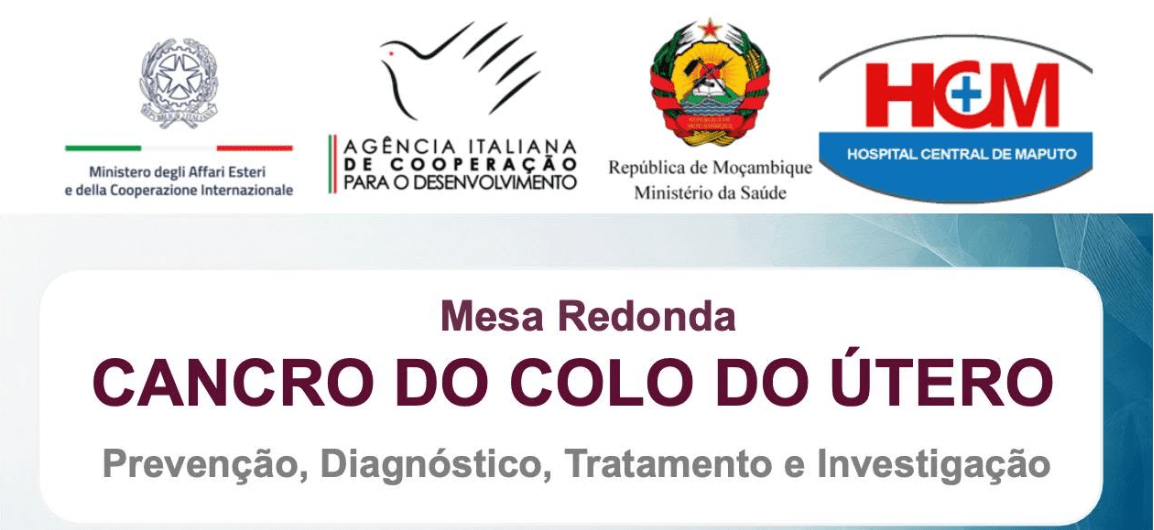
The meeting was organised as part of the IN.FOR.MO project, funded by the Italian Ministry of Foreign Affairs and International Cooperation (MAECI) through the Italian Agency for Development Cooperation (AICS), and promoted by the DREAM Programme of the Community of Sant’Egidio together with the University of Rome Tor Vergata, Eduardo Mondlane University, the Ministry of Health of Mozambique and Maputo Central Hospital. Representatives of the country’s leading health and academic institutions attended in person, alongside international specialists in gynaecological oncology and public health, while many professionals from Mozambique’s provinces joined remotely.
The aim was to take stock of the national cervical cancer prevention and control programme and, through multidisciplinary discussion, to identify the critical issues and possible solutions for improving the quality of care.
The figures show the scale of the challenge. In Mozambique, cervical cancer remains the leading cause of cancer death among women, with more than 5,400 new cases and around 4,000 deaths each year: one of the highest disease burdens in the whole of sub-Saharan Africa.
The sessions covered the entire continuum of care: from primary prevention through HPV vaccination to screening, from early diagnosis to surgical, radiotherapeutic and pharmacological treatment. Alongside the results achieved by the national programme, participants heard about the most recent international guidelines and innovations in treating the disease — from new diagnostic strategies to immunotherapy, and the prospects opened up by artificial intelligence. The discussion placed quality of care at its centre, with the ambition of progressively ensuring that Mozambique too can offer care pathways that are more effective, more equitable and grounded in the best scientific evidence.
Considerable attention was given to the obstacles that still stand along the care pathway: late diagnosis, patients lost to follow-up, the limited availability of certain specialist services, and the need to strengthen the referral network across the different levels of the health system.
The workshop confirmed the value of collaboration between institutions, universities, hospitals, research bodies and international partners: a networked effort that remains essential to consolidate the progress already made and to build shared strategies capable of improving prevention, diagnosis and quality of care for all women in Mozambique.